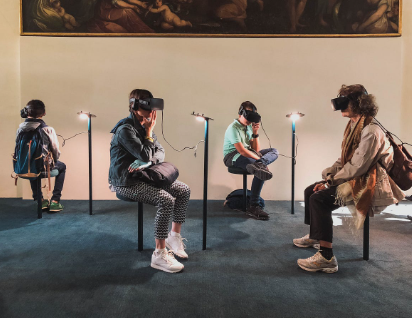
Virtual spaces have transformed social interactions, offering both opportunities and challenges. They enable individuals to connect across vast distances, fostering diverse relationships. However, these environments can also contribute to feelings of isolation and anxiety. The dynamics of communication in such contexts often lead to misunderstandings. Understanding these complexities is essential for navigating the dual nature of virtual spaces and their impact on society. What implications does this hold for mental health and community engagement?
Understanding Virtual Spaces: Definition and Context
Virtual spaces, defined as digital environments created through technology that facilitate interaction and engagement, have become integral to contemporary society.
These virtual environments enable diverse digital interactions, shaping how individuals connect, communicate, and collaborate.
As society increasingly relies on these platforms, it is crucial to analyze their structure and implications, considering how they redefine social norms and influence individual behavior within digital contexts.
The Benefits of Connecting in Virtual Spaces
As individuals increasingly engage with digital platforms, the benefits of connecting in virtual spaces become evident in various aspects of social interaction.
These platforms facilitate community building by allowing individuals to form networks based on shared interests, regardless of geographical limitations.
Additionally, they promote global connections, enabling diverse perspectives and collaborations that enrich personal and professional relationships, ultimately fostering a more interconnected world.
Mental Health Risks of Virtual Spaces: Anxiety and Loneliness
While digital platforms offer numerous opportunities for connection, they also pose significant mental health risks, particularly in terms of anxiety and loneliness.
Increased usage can lead to social isolation, exacerbating feelings of disconnection. This phenomenon, termed digital anxiety, emerges as individuals grapple with the pressures of online interactions, often resulting in heightened stress and diminished well-being.
Ultimately, this impacts their quality of life and social engagement.
See also: The Science Behind Modern Computing Systems
Overcoming Miscommunication in Online Communication
Although online communication can facilitate connection across distances, it often leads to misinterpretations and misunderstandings due to the absence of non-verbal cues.
Emotional cues, which provide context to interactions, can be easily overlooked. Moreover, diverse cultural contexts further complicate interpretations, making it essential to adopt strategies that enhance clarity and empathy, thereby reducing the likelihood of miscommunication in virtual environments.
Conclusion
In conclusion, virtual spaces serve as double-edged swords, offering both vibrant connections and potential pitfalls. While they weave a rich tapestry of global interactions, they can also loom like shadows, casting anxiety and loneliness among users. As individuals navigate these complex digital landscapes, a delicate balance must be struck to harness the benefits of connectivity while mitigating the risks of isolation and miscommunication. Ultimately, the challenge lies in fostering healthier virtual environments that nurture genuine relationships.